



Search
Related News
- 00
0000-00
When do lower limb exoskeleton systems improve stroke rehabilitation? - 00
0000-00
When do transfer robot systems improve safety in patient handling? - 00
0000-00
How elderly health technology companies are shaping aging-in-place care - 00
0000-00
What FDA regulatory certification means for Class II medical devices - 00
0000-00
How nursing homes can choose senior emergency alert systems that staff will use
Which wearable health monitors catch issues early?




Wearable health monitors are no longer simple fitness gadgets. In elderly care, they act as early-warning tools for arrhythmia, low oxygen, falls, wandering, and unusual inactivity. The best wearable health monitors do not just collect numbers. They connect signals to action, shorten response time, and support safer independent living at home, in assisted settings, and during rehabilitation.
For aging-focused environments, the key question is not which device has the most features. It is which wearable health monitors catch issues early enough to change outcomes. That requires reliable sensors, clear alerts, continuous comfort, and workflows that fit daily care rather than interrupt it.
Why wearable health monitors need a checklist-based evaluation
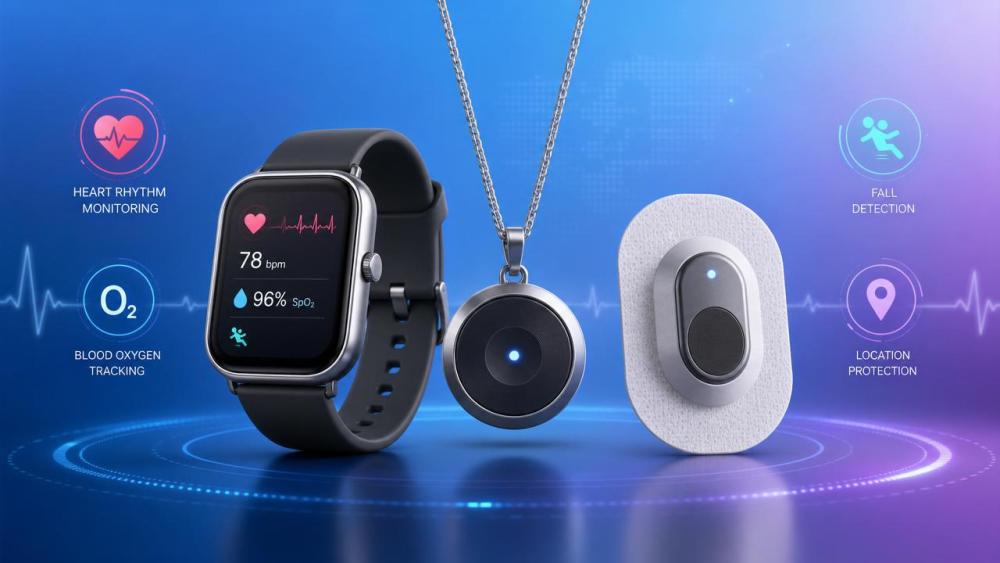
Many devices promise health insights, but early detection depends on more than marketing claims. A watch may track heart rate well during walking, yet miss nighttime oxygen drops. A pendant may detect falls, yet fail when not worn in the bathroom, where risk is highest.
A checklist helps compare wearable health monitors by practical outcomes: Can the device identify change early, reduce false alarms, and send useful alerts to the right person? For elderly care, that structure matters because comfort, compliance, and signal quality are tightly linked.
Core checklist: how to judge which wearable health monitors catch issues early
Use this checklist when reviewing wearable health monitors for older adults, disability support, home monitoring, or accessibility-centered care planning.
- Prioritize continuous sensing over spot checks, because arrhythmia, oxygen desaturation, wandering, and silent falls often occur between manual measurements and outside scheduled supervision periods.
- Verify sensor relevance first, matching ECG, PPG, SpO2, temperature, accelerometer, gyroscope, or GPS functions to the actual risk profile instead of choosing broad but shallow feature bundles.
- Check alert speed and escalation logic, ensuring the system sends graded notifications to family, staff, or emergency contacts when thresholds persist or movement patterns suggest real danger.
- Review false-positive control, because wearable health monitors that trigger too many unnecessary alarms quickly lose trust and are often ignored or removed.
- Assess wearability carefully, focusing on skin comfort, charging burden, weight, fastening security, and whether the user can realistically keep the device on overnight and in the bathroom.
- Confirm data visibility, making sure trends, baseline changes, and event logs are easy to read rather than hidden inside consumer-style dashboards with limited clinical usefulness.
- Test indoor and outdoor positioning if wandering risk exists, since GPS-only designs may underperform indoors while geofencing strength directly affects response timing.
- Examine battery endurance in real conditions, because wearable health monitors that need frequent charging often create blind spots during sleep, bathing, or long rehabilitation sessions.
- Look for integration with hearing aids, beds, nurse-call systems, or fall-prevention infrastructure when the care environment already uses connected elderly safety technology.
- Demand evidence of accuracy, validation, and regulatory alignment, especially for ECG watches, fall detectors, and oxygen monitors used in high-risk aging populations.
Which types of wearable health monitors are best at catching specific issues early?
ECG watches and patch monitors for heart rhythm changes
If early detection of atrial fibrillation or intermittent rhythm irregularity is the goal, ECG-capable wearable health monitors usually offer the strongest value. Watches are more convenient, while patch-style devices often provide cleaner continuous data for short diagnostic windows.
For elderly users, the winning choice depends on adherence. A sophisticated ECG function means little if the device is removed frequently. In daily life, comfortable wrist-based systems often outperform technically better devices that are harder to maintain.
SpO2 wearables for oxygen drops and respiratory stress
Wearable health monitors with overnight SpO2 tracking help flag oxygen desaturation earlier than occasional fingertip checks. This matters for fragile users, post-illness recovery, sleep-related breathing concerns, and people with reduced mobility.
Look beyond a single oxygen score. The better devices show duration, recurrence, and trend direction. Repeated nighttime dips often matter more than isolated daytime readings taken during a calm, seated moment.
Fall-detection wearables for rapid emergency response
When fall risk is the top concern, wearable health monitors with accelerometers, gyroscopes, and automatic calling functions can dramatically improve response speed. Wrist devices help if worn consistently, while pendants may detect impact better in some setups.
However, device placement matters. Falls often happen in bathrooms and transfers, so splash resistance and comfort during washing are not minor features. They directly affect whether the monitor is present at the highest-risk moment.
GPS wearables for wandering and location-related safety
For cognitive decline or Alzheimer’s-related wandering, wearable health monitors with GPS, cellular connectivity, and geofencing are often more useful than pure fitness wearables. The goal is not route history. The goal is rapid exception detection.
The best systems define safe zones, monitor exits, and support two-way communication. Fast alerting after boundary crossing is usually more important than map detail alone.
How wearable health monitors fit different care scenarios
Independent living at home
At home, wearable health monitors should stay simple, light, and automatic. Devices that need frequent menu navigation or manual syncing often lose effectiveness. Quiet background monitoring with clear exception alerts works best.
Combining a wearable with bathroom safety sensors or bed-exit alerts creates stronger coverage. One device rarely catches every risk alone.
Rehabilitation and mobility recovery
In rehab, wearable health monitors can support pacing, detect exertion stress, and document changes in gait or activity tolerance. This is especially useful when mobility aids, exoskeletons, or transfer equipment are part of recovery routines.
Here, trend data matters more than isolated metrics. A gradual decline in movement confidence or oxygen stability may reveal a problem before a visible setback occurs.
Assisted care and multi-person supervision
In shared care settings, wearable health monitors should support dashboard review, event prioritization, and escalation rules. Staff need signal clarity, not streams of non-actionable notifications.
Systems that combine wearable alerts with room-based fall prevention technology often perform better because they reduce blind spots and confirm suspicious events faster.
Commonly overlooked risks when choosing wearable health monitors
Ignoring skin tolerance is a frequent mistake. Older skin can react badly to adhesives, rigid straps, or sweat buildup, reducing wear time and signal reliability.
Assuming medical usefulness from consumer branding is another risk. Some wearable health monitors are excellent wellness devices but weak early-warning tools for high-risk aging conditions.
Overlooking charging behavior also creates hidden failure. If the device charges during sleep every night, it may miss arrhythmia, apnea-related oxygen drops, or nighttime wandering.
Failing to define response ownership can make good monitoring useless. Alerts need a clear destination, backup contact, and action rule. Data without response design does not prevent emergencies.
Practical steps to choose the right wearable health monitors
- List the top two risks first, such as falls plus wandering, or arrhythmia plus oxygen drops.
- Match those risks to sensor types instead of comparing brands on general popularity.
- Run a seven-day wear test and check comfort, charging burden, and alert consistency.
- Review whether the device works in showers, at night, and during transfers or outdoor routines.
- Set escalation contacts and define what happens after each alert category.
Conclusion: the best wearable health monitors are the ones that trigger timely action
The wearable health monitors that catch issues early are not always the most advanced on paper. They are the devices that combine accurate sensing, high wear compliance, useful alerts, and fit-for-purpose design. For elderly care, that usually means choosing by risk scenario, not by feature count.
Start with one clear objective: detect heart rhythm changes, prevent delayed fall response, identify oxygen drops, or manage wandering risk. Then test wearable health monitors against real daily routines. Early detection only matters when the device is worn, the signal is trusted, and the alert leads to action.
Related News
- EU MDR Tightens Clinical Evidence for Class IIa Devices, ECG Smartwatches Need PEPAug 17, 2026Geriatric Tech Fellow
- EU Ends Duty Relief for Parcels Under EUR150, Raising Import Costs for Medical WearablesAug 16, 2026Geriatric Tech Fellow
- FDA Tightens ECG Smartwatch Submission RulesAug 11, 2026Geriatric Tech Fellow
- FDA Tightens 510(k) Filing Steps for ECG SmartwatchesAug 06, 2026Geriatric Tech Fellow